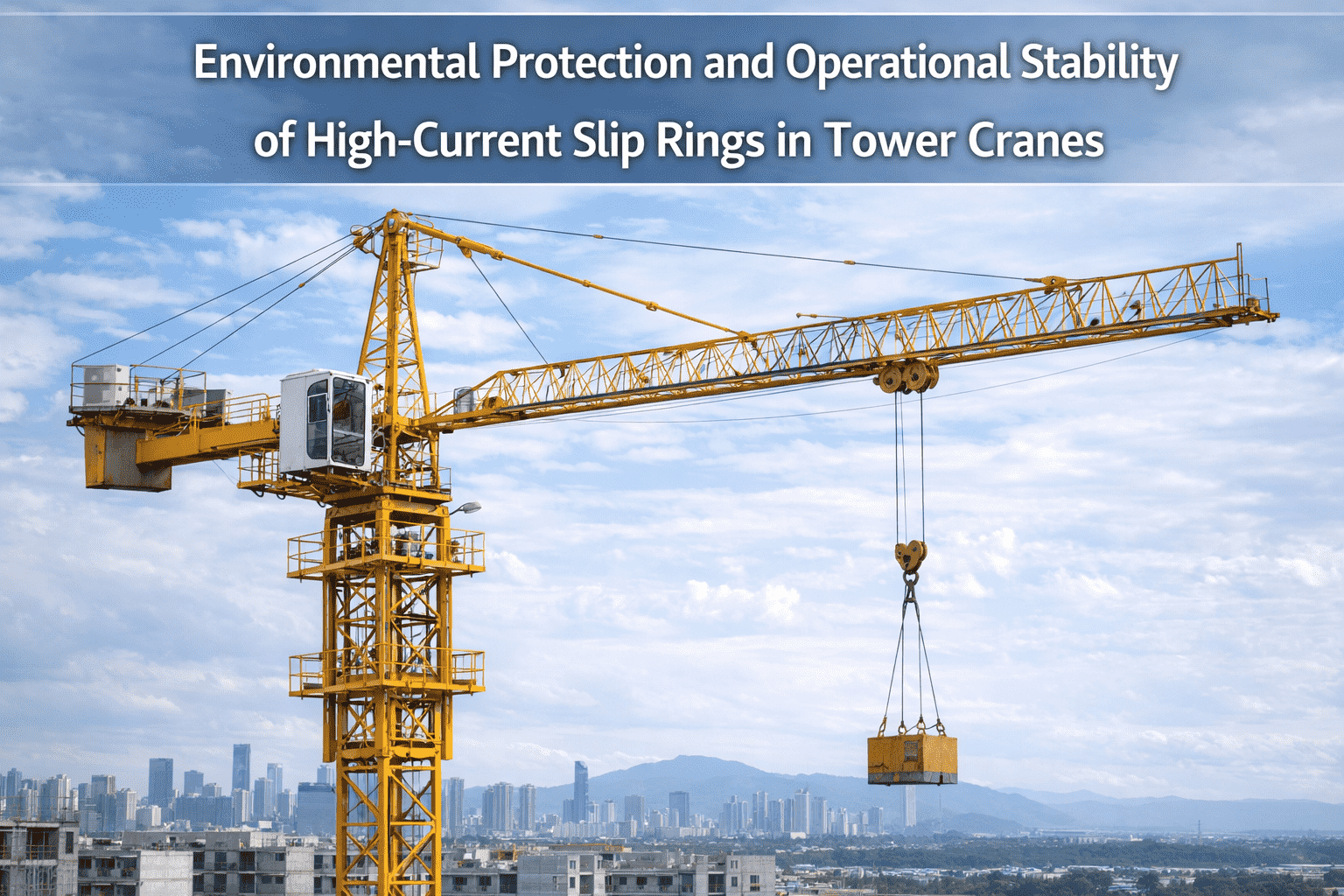
Impact of Outdoor Environments on Tower Crane Electrical Systems
Tower cranes operate almost exclusively in outdoor construction environments, where electrical components are exposed to rain, dust, temperature changes, and continuous heavy-duty operation.
Under these conditions, high-current transmission components in slewing systems are particularly vulnerable to environmental stress.
Protection Requirements for High-Current Operation
High-current slip rings generate heat and experience mechanical stress during operation.
Without sufficient protection, moisture and dust ingress may degrade electrical contact performance and insulation over time.
Therefore, environmental protection is a key factor in ensuring long-term stability.
JINPAT High-Current Slip Ring Design for Outdoor Tower Cranes
JINPAT provides high-current slip ring solutions designed for construction machinery, with a focus on environmental protection and operational stability.
Features include:
IP65 protection level against dust and water
Sealed structural design to protect internal conductive components
Stable performance under continuous high-current operation
In practical applications, models such as LPA000-03350-03100-01N-01PE-01GND are used in tower crane slewing systems to support reliable power transmission in outdoor environments.
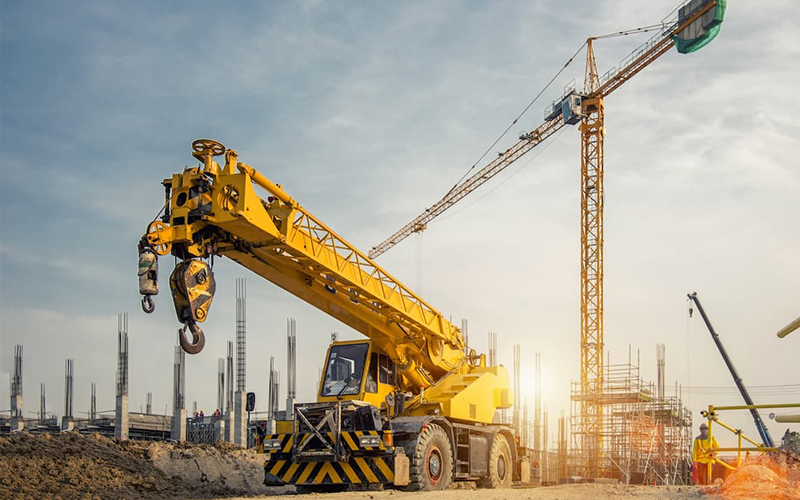
Value of Protection-Oriented Design
Using well-protected high-current slip rings helps tower cranes:
Reduce environment-related electrical failures
Extend component service life
Maintain stable long-term operation
Lower maintenance frequency and downtime
Application Value
High-current slip rings with effective environmental protection are essential for modern tower cranes operating in harsh outdoor conditions.
They ensure reliable power transmission and contribute significantly to overall equipment reliability.